Building a marketing team once meant hiring writers, SEO experts, social media managers, strategists, and performance marketers. Every campaign required endless meetings, planning, approvals, revisions, and coordination between multiple people. But in 2026, that process is changing faster than most businesses expected.
AI is no longer just helping marketers write captions or generate blog ideas. It is now capable of running structured marketing workflows with memory, decision-making systems, automation, and operational logic that feels surprisingly close to a real marketing team.
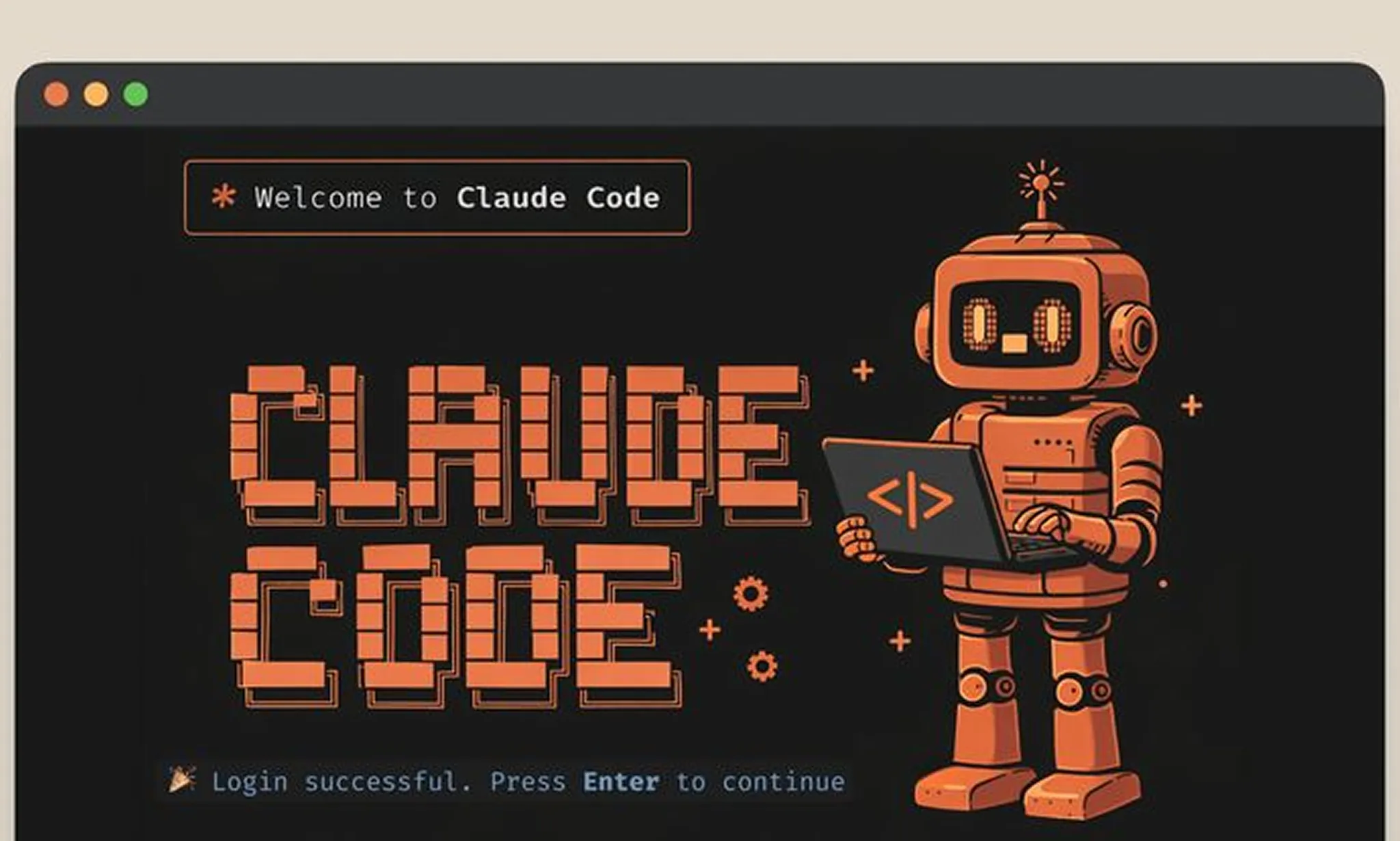
Recently, I built an AI-powered marketing system using Claude Code, automation workflows, AI agents, and SEO-driven content operations. What surprised me most was not how advanced the technology was, but how simple the actual foundation became once everything was properly structured.
The Conversation That Started Everything
The entire project started with a single conversation.
I opened Claude Code and explained the business model, target audience, competitors, product positioning, and growth goals. I also connected SEO data so the AI could understand keyword rankings and content opportunities. Then I asked it to create a complete go-to-market strategy.
Instead of generic suggestions, the system produced a structured marketing roadmap with SEO content pillars, publishing strategies, blog topics, social media workflows, and execution timelines. That one conversation became the starting point for an entire AI-driven marketing operation.
From there, the system evolved naturally. Every new discussion added another layer to the workflow until the entire marketing process became organized, scalable, and increasingly autonomous.
Stop Treating AI Like a Chatbot
The biggest mindset shift came from changing how AI was approached.
Most people still use AI like a chatbot where every task requires a new prompt. But building an AI marketing team works much better when AI is treated like an employee with clear responsibilities instead of a tool waiting for instructions.
Every good employee needs workflows, operational guidelines, company context, and access to the right tools. The same principle applies to AI agents. Once the system was structured around responsibilities and documentation, the AI became far more reliable, consistent, and capable of handling complex marketing operations independently.
That was the point where it stopped feeling like automation and started feeling like a real team.
Building the AI Marketing Team
The marketing operation itself was divided into multiple specialized AI agents.
One handled strategy and coordination, another focused on long-form SEO content, while others managed social media engagement, analytics, and performance reporting. The AI CMO acted as the central coordinator, assigning tasks, managing priorities, and tracking execution across the system.
This structure made the workflow significantly more efficient because every AI agent operated within a clearly defined role instead of trying to manage everything at once.
The Power of Documentation
One of the most interesting parts of the project was discovering that the entire system relied mostly on markdown files rather than complicated infrastructure.
Each AI agent had its own documentation file containing publishing workflows, operational rules, content guidelines, brand instructions, and system permissions. These files became the equivalent of employee handbooks for the AI team.
Instead of repeatedly explaining instructions during every session, the system continuously referenced structured documentation and followed predefined workflows automatically.
Ironically, the hardest part was never the technical setup. The real challenge was writing instructions clearly enough so the AI could consistently make smart decisions.
Building an SEO-Driven Content Engine
SEO quickly became one of the strongest advantages of the entire system.
The AI continuously analyzed keyword opportunities, search trends, competitor rankings, audience behavior, and content gaps. Based on that data, it automatically generated SEO-friendly blog structures, optimized metadata, internal linking strategies, and content distribution workflows.
Instead of manually planning every blog post, the system operated like a scalable SEO engine focused on long-term organic growth.
This significantly reduced content production time while improving publishing consistency and search visibility across platforms. More importantly, the content strategy became data-driven instead of purely instinct-based.
Making AI Content Feel Human
Maintaining a human tone became extremely important throughout the process.
One of the biggest problems with AI-generated content is that it often feels robotic, repetitive, and emotionally disconnected. To avoid that, the system focused heavily on conversational writing, platform-specific communication styles, audience context, and natural engagement patterns.
The goal was never to make the AI sound overly polished or artificial. The goal was to make the marketing feel authentic while still benefiting from automation and scale.
That balance became one of the biggest reasons the system worked effectively.
Why Structure Matters More Than Automation
Another major lesson became clear very quickly: automation without structure creates chaos.
Without clear workflows, operational systems, and documentation, AI-generated marketing becomes inconsistent. Brand voice weakens, duplicate actions happen, content quality drops, and the overall strategy loses direction.
The real advantage came from combining intelligent automation with structured systems and continuous optimization. Every mistake became a rule update, every insight improved future workflows, and every successful campaign strengthened the system over time.
That compounding effect is what makes AI marketing operations so powerful in 2026.
The Future of AI Marketing Teams
The future of marketing is no longer about isolated AI tools.
It is moving toward complete AI-powered operational systems capable of managing SEO workflows, content production, social media marketing, campaign optimization, analytics, and performance reporting at scale.
Businesses that successfully combine human creativity with intelligent automation will scale significantly faster than traditional marketing teams.
The future is not AI replacing marketers.
The future is marketers building smarter systems where AI handles execution while humans focus on creativity, strategy, and decision-making.
About Socialmantra AI Marketing Agency
Socialmantra is an AI-powered creative marketing agency helping modern brands grow through intelligent automation, branding, performance marketing, SEO strategy, and digital innovation.
We combine human creativity with AI-driven systems to build scalable marketing operations that improve visibility, engagement, and business growth for startups, SaaS companies, eCommerce brands, and modern businesses.
At Socialmantra, we believe the future belongs to businesses that combine creativity, automation, technology, and data-driven marketing to create meaningful customer experiences and sustainable digital growth.