1. Why AI UGC Ads Are Taking Over Social Media
In 2026, the biggest advantage in digital advertising is no longer just budget. The brands growing the fastest are the ones producing more creative variations, testing faster, and adapting quickly to audience behavior. Traditional polished ads are losing effectiveness while authentic-looking short-form videos are driving stronger engagement across Meta, TikTok, Instagram Reels, and YouTube Shorts.
User-generated content has become the foundation of modern performance marketing because consumers trust content that feels natural and relatable. AI UGC video generation has accelerated this trend by allowing brands to create realistic creator-style videos without filming, creator management, or expensive production setups.
Instead of waiting weeks for creators to shoot content, brands can now generate ad creatives in minutes using AI avatars, product images, and conversion-focused scripts. This shift is helping ecommerce businesses scale content production while reducing operational costs and creative delays.
2. The Psychology Behind Viral AI UGC Ads
Viral AI UGC ads succeed because they feel native to the platform instead of looking like traditional advertisements. Consumers today instantly recognize overly polished ads, which is why conversational and realistic content performs significantly better.
The first few seconds of a video are critical because they determine whether users continue watching or scroll away. Strong hooks, emotional triggers, and relatable storytelling help capture attention quickly. High-performing AI UGC ads also focus heavily on specificity. Instead of generic marketing claims, they highlight realistic experiences, direct customer pain points, and believable outcomes.
Modern audiences respond more positively to videos that feel authentic, simple, and emotionally connected. AI tools help generate the visuals quickly, but strategy still controls performance. Strong messaging, audience alignment, and clear storytelling remain essential for creating high-converting campaigns.
3. The AI UGC Workflow Brands Are Using
The AI UGC workflow in 2026 is built around speed and scalability. Brands begin by selecting AI avatars that closely match their target audience. This improves relatability and increases trust because viewers naturally engage more with people who reflect their lifestyle or interests.
After selecting the avatar, marketers create short-form scripts optimized for performance marketing. Most successful scripts follow a simple structure that includes a hook, problem, emotional tension, product solution, proof, and call to action. Conversational language consistently outperforms corporate-style messaging because it feels more natural on social platforms.
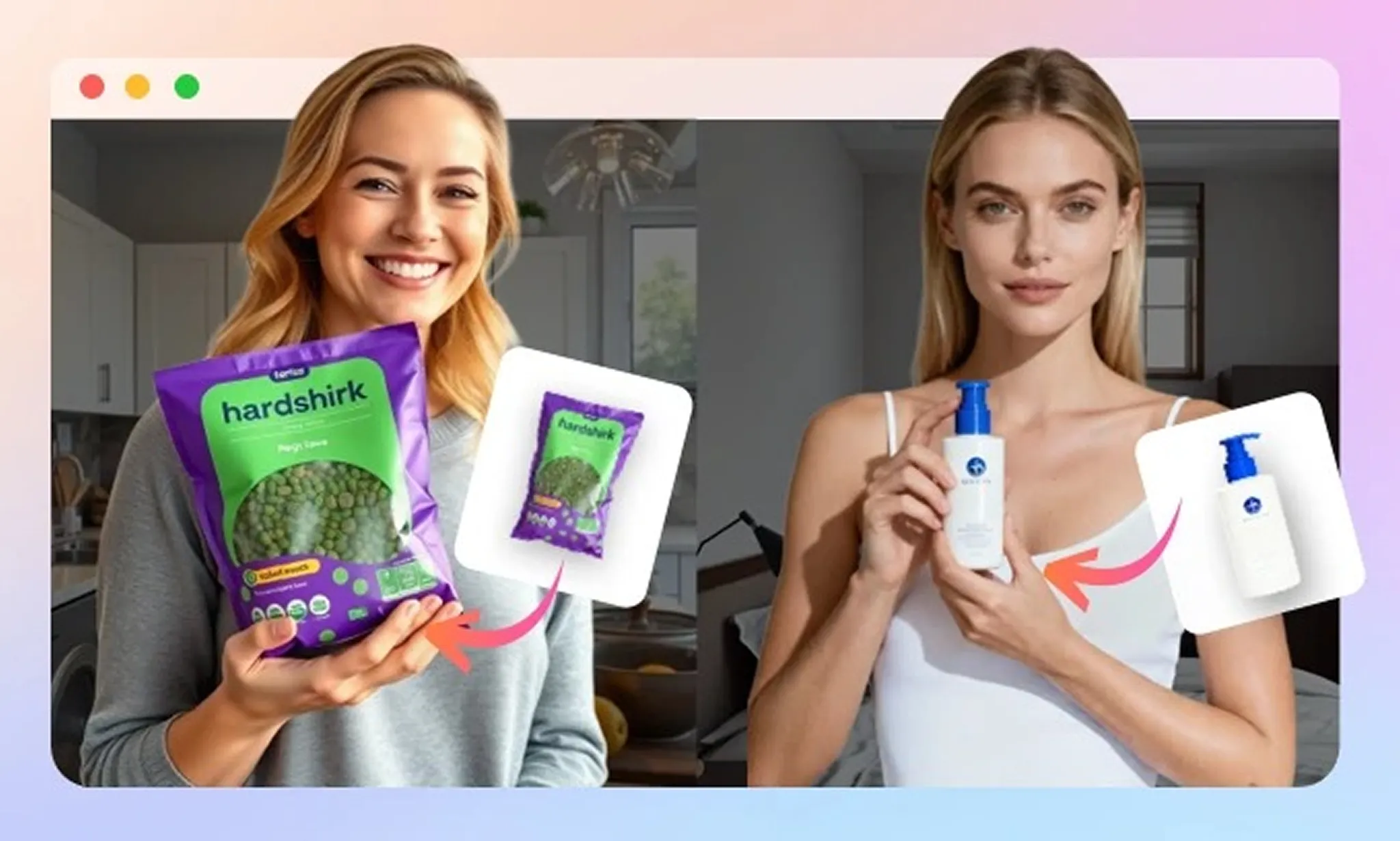
Once the script is ready, brands upload product visuals that help anchor the content visually. AI UGC platforms then combine the script, avatar, and product visuals into ready-to-run vertical videos designed for paid advertising and organic distribution.
This workflow allows brands to generate multiple creative variations rapidly without relying on long production timelines or expensive creator collaborations.
4. Why Creative Testing Is the Real Growth Strategy
The real power of AI UGC generation is not just lower production cost. The biggest advantage is testing velocity. Brands are no longer relying on one or two ad creatives. Instead, they are launching multiple hooks, offers, avatars, and messaging angles simultaneously to identify winning combinations faster.
Creative fatigue remains one of the biggest reasons advertising performance declines. AI UGC tools help solve this problem by making it easier to produce fresh variations continuously. Brands that consistently test new creatives maintain stronger engagement rates and lower acquisition costs over time.
The fastest-growing ecommerce brands in 2026 are treating creative production like a performance system rather than a design task. Instead of spending weeks creating a single campaign, they generate and test large volumes of content every week, allowing platform algorithms to identify the strongest-performing ads quickly.
5. How AI UGC Ads Improve Ecommerce Funnels
AI UGC ads are now being integrated across every stage of the customer journey. At the top of the funnel, brands use short-form videos focused on attention-grabbing hooks and customer pain points to increase awareness and stop scrolling behavior.
In the middle of the funnel, testimonial-style videos, product demonstrations, and comparison-based creatives help build trust and strengthen purchase intent. These ads educate audiences while positioning the product as the solution to a specific problem.
At the bottom of the funnel, AI UGC creatives focus on objections, urgency, guarantees, and conversion-driven messaging. Personalized retargeting ads help brands increase ROAS by delivering relevant messaging to users who have already interacted with products or landing pages.
Because AI-generated content can be produced rapidly, brands can now create highly targeted messaging for different audience segments without increasing production complexity.
6. The Future of AI UGC Advertising
The future of advertising is moving toward AI-powered creative systems focused on speed, personalization, and continuous optimization. Production is no longer the biggest challenge. The real competitive advantage now comes from testing faster, learning quicker, and adapting creative strategies based on real audience behavior.
Brands that adopt AI UGC workflows are building scalable content systems that allow them to launch campaigns faster while reducing production friction. As advertising competition continues increasing across social platforms, businesses that improve creative efficiency will gain a major advantage in performance marketing.
AI UGC generation is not replacing storytelling or creativity. Instead, it is helping brands accelerate content production, test more ideas, and scale authentic advertising faster than ever before.
At Socialmantra AI Marketing Agency, we help brands build AI-powered UGC advertising systems designed for performance, scalability, and modern consumer behavior. From AI-generated creatives and Meta Ads scaling to performance marketing and conversion optimization, we combine creativity with AI-driven workflows to help businesses grow faster in the evolving digital landscape.